Terrnachmor local insights botany buy review opens with clear aims. It shows local plant data, species notes, and buying options. The tool targets gardeners, field researchers, and community groups. The text explains what the product does, who benefits, and how to access it. It uses plain language and local examples to help readers decide quickly.
Key Takeaways
- Terrnachmor local insights botany buy review provides concise local plant data and species profiles, making it ideal for gardeners, educators, and community groups focused on native plants.
- The guide highlights practical botany tips such as drought tolerance, soil preferences, and pollinator support to help users select suitable plants for local environments.
- Users can purchase Terrnachmor through a main website, partner nurseries, local farm stores, and plant fairs, with each option offering distinct benefits like expert advice or quick access.
- Terrnachmor excels for small scale projects and beginner native gardeners by offering verified local supplier lists and easy plant identification tools.
- The guide is limited to common local species and does not cover deep taxonomy or rare plants, so it is best paired with nursery visits and not used as a comprehensive flora.
- Annual updates and straightforward checklists ensure Terrnachmor remains a practical, user-friendly resource for planning and sourcing native plants locally.
What Terrnachmor Is And Who It’s For
Terrnachmor local insights botany buy review describes a compact guide and data pack for local plant information. It combines short species profiles, habitat notes, and seed-source suggestions. The product suits amateur gardeners who want native plants, educators who teach local ecology, and small conservation groups who restore sites. It helps users identify plants, plan small plantings, and find local suppliers. The guide uses maps, photos, and brief care tips. It presents facts without jargon. It focuses on species that thrive in local soil and climate. It lists bloom times, soil preference, and pollinator value. It also flags common look-alikes and simple ID tips. Readers can use Terrnachmor entries to plan a yard, a school plot, or a community patch. The pack does not replace full field manuals. It gives quick, practical answers for local decisions.
Key Local Botany Insights From Terrnachmor
Terrnachmor local insights botany buy review highlights plants that matter for local sites. It ranks species by drought tolerance, soil match, and pollinator support. It notes where to find each species locally and when to plant it. The guide lists simple habitat restoration steps and low-cost sourcing tips. The entries keep language short and directive. They show one clear action per line, such as ‘plant in spring’ or ‘mulch after transplant.’
Where To Buy Terrnachmor: Retail, Online, And Local Sources
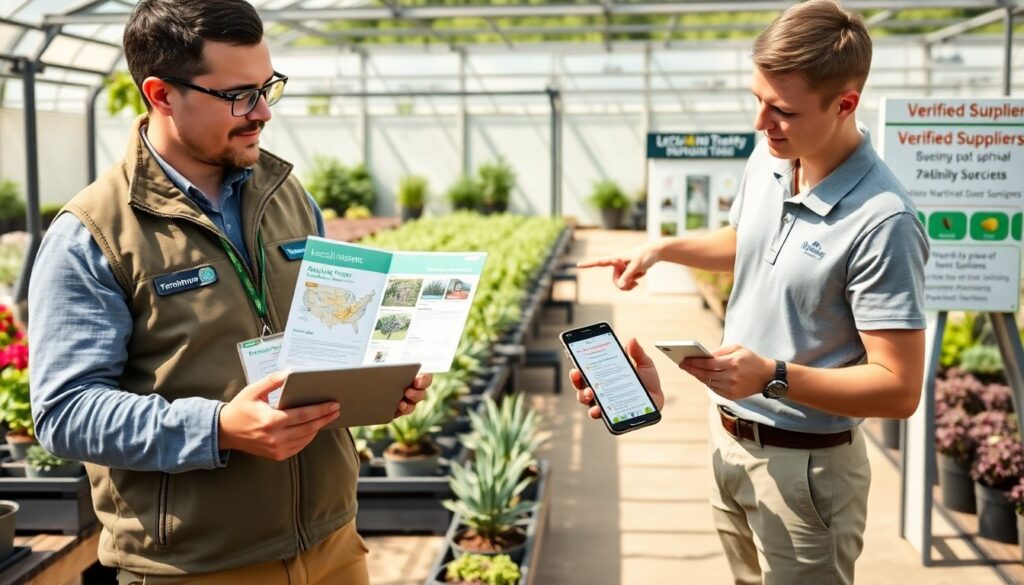
Terrnachmor local insights botany buy review lists buying channels and pros for each channel. It sells direct through a main website and through select partner nurseries. It also appears at local farm stores and at regional plant fairs. Online purchase gives fast delivery of the guide and optional printed maps. Local nursery purchase gives hands-on advice and immediate plant access. The guide lists verified nurseries by county and notes which species each nursery stocks. It includes short store hours and contact tips. It also lists subscription options for updates and local seed swaps. The guide tells readers how to check seed origin and how to ask staff about provenance. It gives simple steps to verify a nursery claim, such as asking for native stock labels and supplier names. It notes when mail-order makes sense and when in-person buy gives better plant quality.
Practical Pros, Cons, And Best Use Cases
Terrnachmor local insights botany buy review states clear pros and cons and matches use cases to needs. Pros: the guide gives concise local species data, quick ID photos, and verified local supplier lists. It helps small projects and first-time native gardeners. It links to seed sources and local experts. Cons: the guide limits coverage to common local species and omits deep taxonomy and rare plants. It also relies on partner nurseries, so stock varies by season. Best use case: a homeowner who wants low-maintenance native front-yard plants. Another good use case: a teacher who needs short species cards for lessons. A third use case: a community group that needs a cheap field guide and supplier leads for a small restoration. The guide works well when users pair it with hands-on nursery visits. It works less well when users need exhaustive regional floras or permit-level restoration plans. It gives a short checklist to pick plants, a short sourcing script to use on the phone, and a seasonal calendar for planting. The guide updates each year and includes simple errata notes so readers can track changes.