
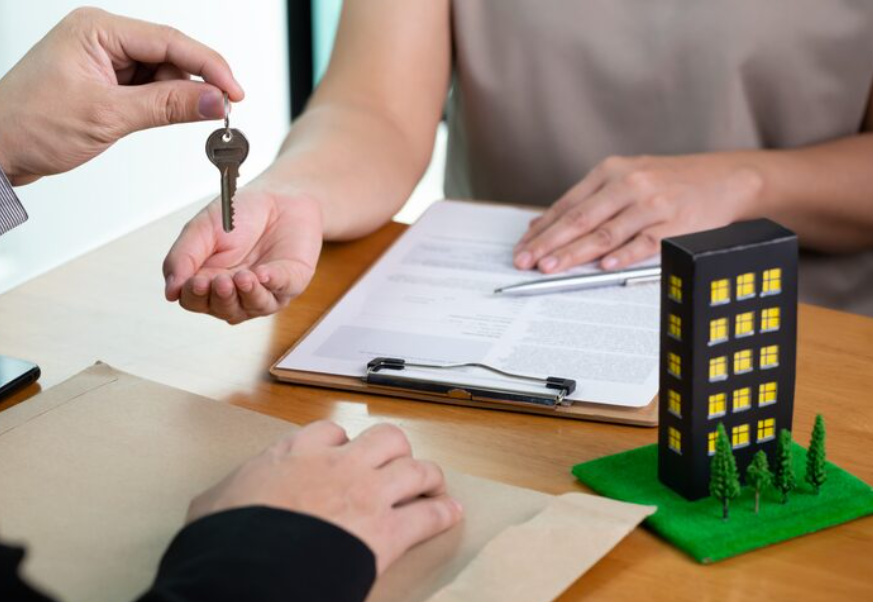
Signing an apartment lease is a big step. Once your name is on the document, you are agreeing to rules, costs, dates, and responsibilities that can affect your money and daily life for months or even years.
I have seen many renters skim the lease because they are excited to move in or worried they might lose the apartment. That is risky. A lease is not just paperwork. It explains what you must pay, what the landlord must provide, and what can happen if there is a problem.
These 9 tips for reading an apartment lease before you sign will help you review the details with more confidence.
1. Check the Rent Amount and Due Date
Start with the basics. Make sure the monthly rent amount is correct and matches what you were told in the listing, email, or showing.
Also check:
- The rent is due.
- Accepted payment methods.
- Late fees.
- Grace periods.
- Returned payment fees.
If you are comparing options for rent in Calgary or any other city, do not look only at the monthly price. A lower rent may come with extra fees that make the apartment more expensive than it first appears.
2. Review the Lease Term
The lease should clearly state when the agreement starts and ends. Check the exact move-in date, end date, and renewal terms.
Some leases are fixed-term, such as 12 months. Others may continue month to month after the first term ends. You need to know what happens when the lease ends so you can plan.
Look for rules about giving notice before moving out. Missing a notice deadline can cost you money or make it harder to leave on your planned date.
3. Understand What Is Included in Rent
Rent may include some services, but never assume. The lease should explain what is included and what you must pay separately.
Check for:
- Heat
- Water
- Internet
- Parking
- Storage
- Laundry
- Garbage collection
- Building amenities
Utilities can make a major difference in your monthly budget. If electricity is not included, ask how to set it up, when service must begin, and which costs you will be responsible for after move-in.
4. Look Closely at Deposits and Fees
The lease should explain all deposits and fees before you sign. This may include a security deposit, pet deposit, key deposit, parking fee, or move-in fee.
Ask when deposits are due and what conditions must be met to get them back. The lease should also explain what the landlord can deduct for damage, cleaning, or unpaid rent.
Take photos or videos during move-in. I suggest doing this before you unpack. It gives you a clear record of the apartment’s condition.
5. Read the Maintenance and Repair Rules
A good lease should explain who handles repairs and how maintenance requests should be reported. This matters when something breaks, leaks, or stops working.
Look for details about:
- Emergency repair contact.
- Regular maintenance requests.
- Appliance repairs.
- Plumbing issues.
- Heating or cooling problems.
- Tenant-caused damage.
6. Check Rules About Pets, Guests, and Roommates
Lifestyle rules can affect your daily comfort. Read this section carefully, especially if you have a pet, plan to live with someone else, or expect family to visit.
Check for rules about:
- Pet types and size limits.
- Pet fees or deposits.
- Overnight guests.
- Long-term guests.
- Adding a roommate.
- Subletting.
- Quiet hours.
Do not rely on a verbal “that should be fine.” If the rule matters to you, make sure it is written clearly in the lease or approved in writing.
7. Review Parking and Storage Details
Parking and storage can be easy to overlook during the excitement of getting an apartment. Still, these details can cause problems later.
Confirm the parking spot number, monthly cost, visitor parking rules, and towing policies. If storage is included, check the location and any rules about what can be stored.
This is especially important in busy buildings where parking spaces are limited. A simple misunderstanding can lead to extra costs or daily frustration.
8. Know the Rules for Ending the Lease Early
Life can change. You might get a new job, need more space, move closer to family, or face a financial setback. Before signing, understand what happens if you need to leave early.
Look for:
- Early termination fees.
- Notice requirements.
- Sublet rules.
- Lease assignment rules.
- Conditions for breaking the lease.
9. Ask Questions Before You Sign
Do not sign a lease until you understand it. A good landlord or property manager should be willing to explain terms in plain language.
Ask questions about anything that feels unclear, missing, or different from what you were told. Save emails and written messages in case you need them later.
I also recommend taking your time. Read the lease when you are not rushed. If a landlord pressures you to sign without reading, treat that as a warning sign.
Final Thoughts
Reading an apartment lease before you sign can protect your money, your rights, and your peace of mind. Pay close attention to rent, lease dates, utilities, deposits, maintenance rules, guest policies, and early move-out terms.
My best advice is simple: do not treat the lease as a formality. Treat it as the rulebook for your apartment. A careful review now can help you avoid stress, surprise costs, and conflict after move-in.